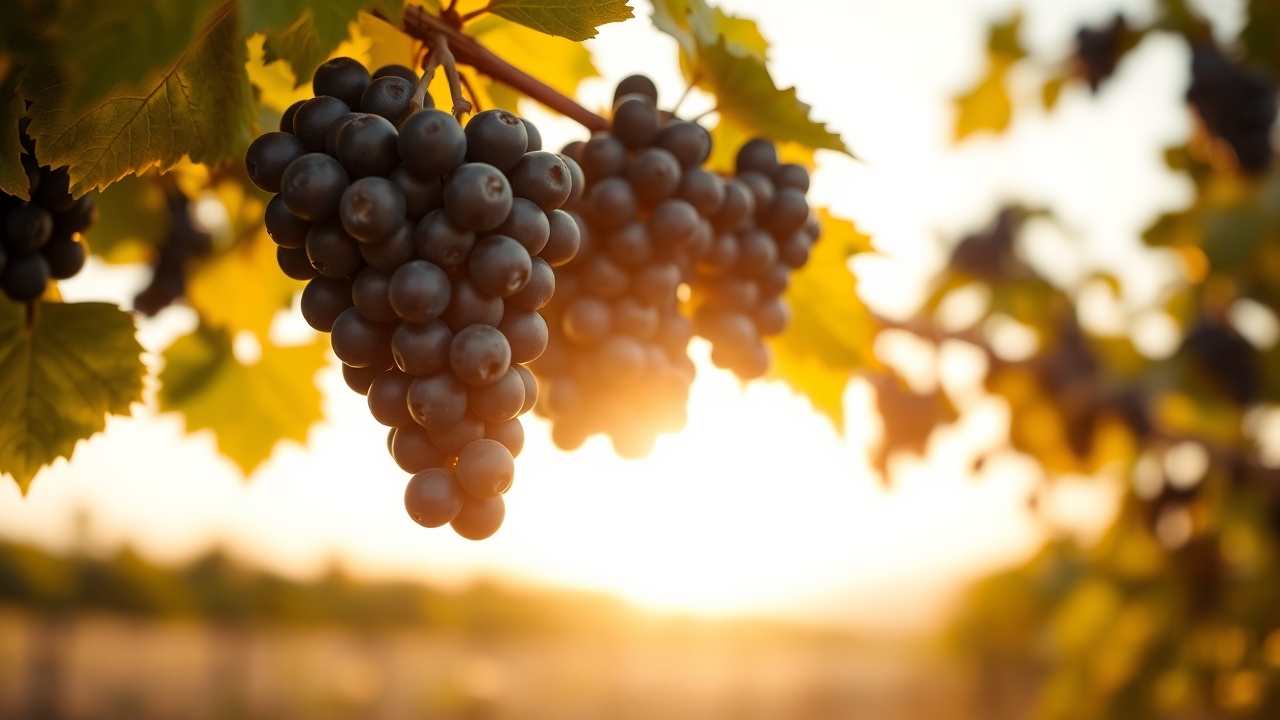
An accident, and a grocer in San Francisco
In September 1873 a severe heat wave hit the San Joaquin Valley just before harvest. Much of the crop was lost as fruit shrivelled on the vine before it could be picked — a ruinous year, by any normal reading.
One farmer refused to write it off. He carried the shrivelled fruit to San Francisco and found a grocer willing to take a chance on it. The grocer sold it as a “Peruvian delicacy” — and it sold. An industry that now defines this Valley started as a salvage operation.
A crop that was supposed to be a total loss became the thing the Valley is known for.
The grape behind it
A year before that heat wave, in 1872, a Scottish-born farmer named William Thompson obtained cuttings of an English seedless grape — the Lady de Coverly, a sultana. He grafted them onto existing rootstock in Yuba County, and by 1875 produced his first real crop: about fifty pounds of large, thin-skinned, sweet seedless grapes.
That variety became the Thompson Seedless, and it went on to underpin most of California's raisin production. Growers across the Valley still plant it and its successors — Steve Reitz, whose family has farmed here since 1959, has been steadily converting his ranch from Thompson to Selma Pete since 2005.
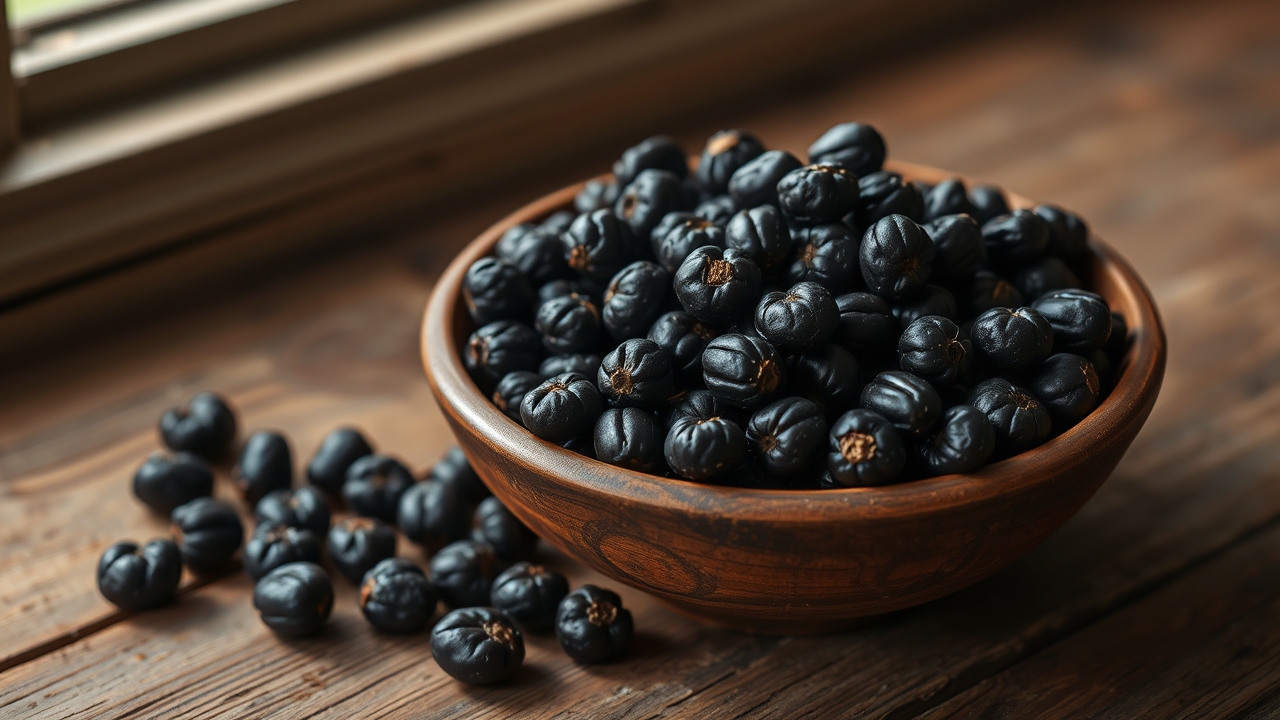
At the festival
Raisins are the Valley's quiet staple — the crop most likely to be in a Valley household's pantry and least likely to get talked about. The festival is where they get their due, alongside the multi-generation families who grow them.
Read the Reitz family's story →